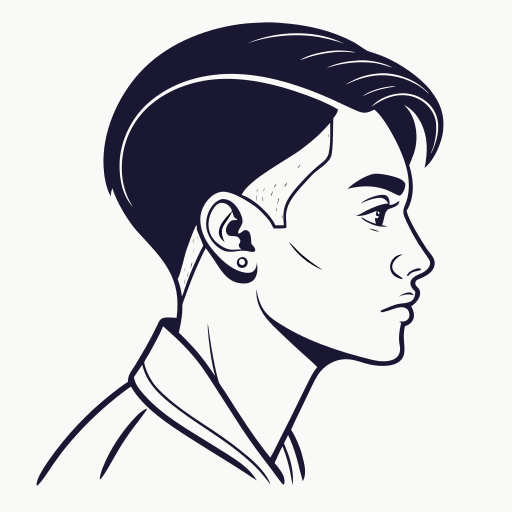
Skin Fade Undercut: Difference, Best Styles, and Grow-Out
Learn what a skin fade undercut is, how it differs from a regular skin fade, which versions work best, and what to ask your barber.
Key takeaways
- A skin fade undercut is sharper than a regular skin fade because the top is kept more separate from the faded sides.
- Choose a blended skin fade if you want a softer grow-out, and choose an undercut skin fade if you want clear contrast.
- The style works best when the top has enough length to brush back, part, texture forward, or tie loosely without collapsing over the fade.
- Ask your barber whether you want a disconnected line, a soft undercut connection, or a faded undercut that blends near the crown.
- Expect the skin area to soften within 1 to 2 weeks, while the top may need reshaping every 3 to 5 weeks depending on length.
What is a skin fade undercut?
A skin fade undercut is a haircut where the sides and back are faded down to visible skin while the top is left noticeably longer and more separate. A regular skin fade usually blends gradually from skin into the top. An undercut skin fade keeps more contrast, so the long hair on top sits over cleaner, tighter sides.
The single core need behind this search is clear: you want to know how an undercut skin fade differs from a regular skin fade before asking a barber for it. That difference matters because the wrong wording can produce a haircut that is either too blended, too disconnected, or too hard to grow out.
Think of skin fade as the finish on the sides and undercut as the relationship between the sides and the top. Skin fade means the shortest part reaches skin or shaver-close length. Undercut means the top is not blended as gradually into the sides. When both ideas are combined, the result is a high-contrast haircut that can look polished, modern, and very clean when the top length is planned correctly.
Skin fade undercut vs regular skin fade
The main difference is connection. A regular skin fade is built around a smooth transition from skin to short hair to longer hair. A skin fade undercut is built around contrast. The barber may still fade the sides beautifully, but the top is allowed to look heavier, longer, or more separate.
| Haircut | What happens on the sides | What happens near the top | Best for |
|---|---|---|---|
| Regular skin fade | Sides and back taper down to skin | Blend usually connects smoothly into the top | Classic fades, office-friendly styles, softer grow-out |
| Skin fade undercut | Sides and back taper down to skin | Top is kept longer with stronger separation | Slick backs, long tops, textured crops, bold contrast |
| Disconnected undercut skin fade | Skin fade is tight and clean | A visible break or ledge separates the top | Very sharp looks, dense hair, deliberate high contrast |
| Soft undercut skin fade | Skin finish stays clean at the bottom | Connection is reduced but not fully disconnected | First undercuts, professional settings, easier grow-out |
| Undercut fade haircut | The sides may fade but not always to skin | Top stays separate from the sides | People who want undercut shape without a bare skin finish |
If you only say skin fade, many barbers will assume you want a blend. If you only say undercut, some barbers may clip the sides short at one length without the smooth graduation of a fade. The phrase skin fade undercut tells the barber that you want both: the bottom cleaned down to skin and the top kept more separate than a normal fade.
That contrast is useful, but it needs control. If the separation is placed too high, the top can look like a cap sitting on shaved sides. If the separation is too low, the haircut may not look like an undercut at all. The best result usually sits between those extremes: clean skin at the bottom, deliberate contrast through the sides, and enough shape above the fade to support the top.
Best skin fade undercut styles
A skin fade undercut works best when the top has a clear purpose. The style can be slick, textured, parted, curly, or longer, but the top cannot be vague. Because the sides are so clean, any messy bulk or uneven top length becomes more obvious.
Slick back skin fade undercut
The top is long enough to brush back while the sides stay tight. This is one of the cleanest ways to show the undercut shape without adding a hard part.
Textured crop with undercut skin fade
A choppy top and blunt fringe can sit over a tight fade, but the barber should soften the top corners so the haircut does not look boxy.
Side part skin fade undercut
A side part makes the separation feel intentional. It works best when the part is placed where the hair naturally wants to divide.
Curly undercut skin fade
Curls can look strong over skin-faded sides, but the top needs enough length and moisture so the curls do not shrink into a round cap.
Long top skin fade undercut
Longer hair can sweep back, fall forward, or tie loosely, but it needs regular cleanup around the sides so the contrast stays deliberate.
The safest version for most people is a low or mid skin fade undercut with a soft connection near the top. It still reads as an undercut because the top is longer, but it is easier to wear than a severe disconnected undercut. If you already like bold contrast or have thick hair that holds shape well, a more disconnected version can work.
Hair density changes the decision. Thick straight hair can handle a stronger break because it has enough weight to sit neatly. Fine hair often needs a softer connection so the top does not look thin against the tight sides. Wavy or curly hair usually needs more length than expected because texture shrinks upward after drying.
How high should a skin fade undercut go?
Fade height controls how dramatic the undercut feels. A low skin fade undercut keeps most of the contrast around the ear and neckline, so it grows out more quietly. A mid skin fade undercut gives a clearer side profile and suits most slick backs, crops, and side parts. A high skin fade undercut is the boldest option, but it can be unforgiving if your head shape, hairline, or top density needs softer balance.
| Fade height | Visual effect | Who should consider it | Risk to avoid |
|---|---|---|---|
| Low skin fade undercut | Clean bottom with milder contrast | First-timers, longer tops, professional settings | May look more like a low fade if the top is too short |
| Mid skin fade undercut | Balanced contrast from the side | Most people wanting visible undercut shape | Can look heavy above the fade if corners are not shaped |
| High skin fade undercut | Maximum contrast and very clean sides | Dense hair, bold styles, frequent haircut schedules | Can expose head shape or make the top look disconnected by accident |
| Drop skin fade undercut | Fade curves behind the ear while the top stays separate | People who want a shaped back profile | The drop can be lost if the back is left too bulky |
| Skin taper undercut | Only sideburn and neckline areas go skin-close | Subtle contrast and softer grow-out | May not satisfy someone wanting a full skin fade |
Disconnection is separate from height. You can have a low undercut that is very disconnected, or a mid undercut that is softened near the top. Before the cut starts, decide whether you want a visible ledge, a soft ledge, or a blend that still leaves the top clearly longer. Those three options look different even when the fade height is the same.
How to ask for a skin fade undercut
The best barber request names the fade height, the skin finish, the amount of disconnection, and the top plan. Photos help, but wording still matters because many reference photos are shot from the front and hide the side connection.
- Choose the fade heightSay low, mid, high, or drop before the barber starts fading.
- Confirm the skin finishSay skin, shaver-close, or trimmer-close depending on how bare you want the bottom.
- Define the undercut connectionSay disconnected, softly disconnected, or blended undercut so the top does not get merged by default.
- Protect the top lengthTell the barber whether the top should slick back, part, texture forward, curl naturally, or stay long.
- Confirm the neckline and beardAsk whether the fade should blend into facial hair and whether the neckline should stay natural, tapered, or cleaned tight.
For a sharper version, change the last phrase to leave it clearly disconnected. For a safer version, say keep the undercut shape, but soften the connection so it grows out cleanly. If you want to keep long hair on top, say that first. The barber needs to know the top plan before deciding where the fade should stop.
Skin fade undercut grow-out and maintenance
A skin fade undercut grows out in two different ways at once. The skin-faded sides soften quickly as stubble appears, often within the first week. The top changes more slowly, but it can start to fall over the sides or lose its planned shape after several weeks. That is why the maintenance schedule depends on whether you care more about the skin finish or the top silhouette.
- Book every 1 to 2 weeks if you want the skin finish to stay very sharp.
- Book every 2 to 3 weeks if you can accept a softer fade but still want tidy sides.
- Reshape the top every 3 to 5 weeks if it starts falling over the undercut line.
- Avoid trimming the disconnected line at home unless you can see both sides evenly.
- Use lighter product on fine hair and stronger control on thick hair so the top does not collapse into the fade.
The biggest grow-out issue is the ledge. A disconnected undercut can look sharp on day one, but after 10 to 21 days the short side hair can puff under the longer top. A soft undercut connection is more forgiving because the transition has some shape built in. If you want lower maintenance, ask your barber to leave the contrast visible but not completely carved in.
Before choosing a skin fade undercut, compare it with a regular skin fade from the side. If you like a smooth blend, choose the regular fade. If you like the clean sides but want the top to stand apart, the skin fade undercut is the better phrase. For extra confidence, preview the style with your own face and hair length before the appointment, then bring the best side reference to your barber.
Skin fade undercut FAQ
Is a skin fade undercut the same as a regular skin fade?
No. A regular skin fade usually blends smoothly from skin into the top, while a skin fade undercut keeps the top more separate from the faded sides. Both can go down to skin, but the undercut version has stronger contrast.
Should I get a low, mid, or high skin fade undercut?
Choose low for a quieter grow-out, mid for balanced contrast, and high for the boldest look. Most first-timers should start with a mid or low skin fade undercut because a very high version is harder to soften later.
What hair length works best on top?
Most skin fade undercut styles need enough top length to show separation, often at least a few inches for slick backs, parts, curls, or textured crops. Very short tops can still work, but they may read more like a regular fade.
Does a skin fade undercut grow out badly?
It can grow out sharply if the disconnection is very hard. A soft undercut connection grows out more cleanly because the side hair has a shaped transition under the top. Plan side cleanups every 1 to 3 weeks.
What should I tell my barber if I do not want it too harsh?
Ask for a low or mid skin fade undercut with a soft connection, not a hard disconnected line. That wording keeps the top longer than a normal fade but avoids the severe ledge that can make the haircut look harsh.