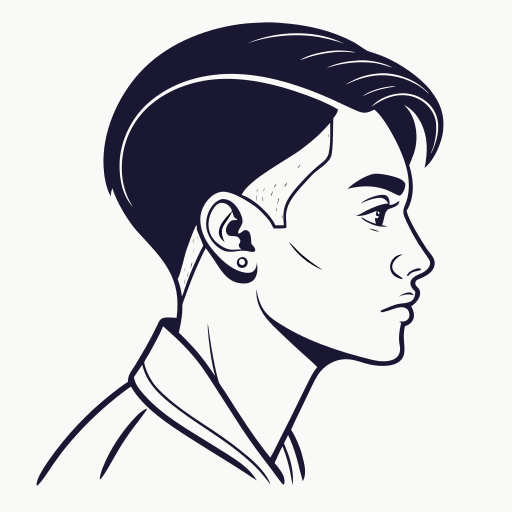
Skin Fade Slick Back: Low, Mid, High, and Product Tips
Learn how to get a skin fade slick back with the right fade height, top length, product choice, and barber wording for a polished result.
Key takeaways
- A skin fade slick back needs enough length on top to move backward; if the top is too short, it becomes a brushed crop rather than a true slick back.
- Low and mid skin fades are the safest starting points because they keep more side support and make the slicked-back top look less severe.
- A high skin fade slick back gives stronger contrast, but it works best on dense hair and people who are comfortable with a sharper side profile.
- Ask your barber for the fade height, skin finish, top length, crown control, and whether you want a soft blend or a more disconnected undercut effect.
- Use blow-drying and a light pre-styler before pomade, clay, paste, or cream so the top has direction before product adds hold.
What is a skin fade slick back?
A skin fade slick back is a haircut where the sides and back fade down to visible skin while the top is kept long enough to brush or comb backward. The style looks polished when the top has direction, the fade height supports the side profile, and the product finish matches your hair type.
The single core need behind this search is clear: you want a slick back with a skin fade that looks polished instead of harsh. That means the real question is not simply whether the haircut is trendy. You need to know how high the fade should go, how long the top should stay, what product finish will hold the shape, and exactly what to tell the barber before the first guideline is cut.
A good slick back usually needs at least enough top length to lie backward from the front hairline. Many wearable versions need roughly 3 to 5 inches at the front, with the crown controlled so it does not split or puff up. If the top is shorter than that, the result can still look clean, but it becomes more of a brushed-back crop or short executive fade than a full slick back.
Best fade height for a skin fade slick back
The fade height decides whether the haircut feels classic, balanced, or bold. A slicked-back top already pulls the eye upward and backward, so the sides do not always need maximum contrast. For most first-timers, a low or mid skin fade slick back is easier to wear than a very high version because it keeps more shape under the top.
| Fade option | How it changes the slick back | Best for |
|---|---|---|
| Low skin fade slick back | Keeps the bare-skin finish low around the ear and neckline | Classic styling, professional settings, first skin fades, longer face shapes |
| Mid skin fade slick back | Adds clear contrast while keeping enough upper-side support | Most balanced slick back skin fade haircuts and daily wearable versions |
| High skin fade slick back | Removes more side hair and makes the top look sharper and more disconnected | Dense hair, bold contrast, short sides, frequent cleanups |
| Drop skin fade slick back | Lets the fade dip behind the ear so the back keeps shape | People who want clean sides without flattening the crown |
| Skin fade slick back undercut | Creates a stronger break between the faded sides and long top | Modern disconnected looks, thick hair, people who style every day |
If you are unsure, start with a mid skin fade rather than a high skin fade slick back. Mid gives enough contrast to make the skin finish obvious, but it leaves room to adjust higher on the next visit. A high fade can look excellent in photos, especially with dark dense hair, but it exposes more head shape and can make the top look like a cap if the blend is too abrupt.
Face shape should also guide the height. A high slick back can lengthen a narrow face because the sides become tight and the top moves back. A low skin fade slick back usually gives more balance. Rounder faces can often handle a mid fade with controlled volume because the cleaner sides add structure without needing a tall front.
Top length and hair type for a slick back skin fade
The top should be long enough to travel backward without springing forward. Straight dense hair can usually handle a cleaner slicked finish. Wavy hair often creates a softer pushed-back shape, which can look more natural than a rigid combed style. Fine hair needs more caution because heavy product can make the top separate and reveal scalp.
Straight thick hair
Ask for controlled weight removal so the top can move back without turning bulky near the crown.
Wavy hair
Keep enough length to let the wave bend backward, and use a cream or paste if you want a softer finish.
Fine hair
Avoid over-thinning and heavy pomade; a lighter pre-styler and matte paste usually keeps more body.
Receding hairline
Use a lower fade and a looser brushed-back finish if a tight wet slick exposes the temples too much.
Cowlick-heavy crown
Ask the barber to control the crown direction instead of cutting it too short, because short crown hair can stand up.
The parietal ridge, which is the corner where the top rolls into the side, matters a lot on this haircut. If the barber removes too much weight there, the slick back can look disconnected even when you did not ask for an undercut. If too much weight remains, the side can puff out above the fade. The best result sits between those extremes: clean skin fade underneath, controlled corner weight, and a top that flows backward.
Bring a reference photo with a similar hair density and hairline. A slick back skin fade on very dense dark hair will not translate exactly to fine blond hair or a mature hairline. The haircut can still work, but the fade height, product shine, and amount of top length should be adjusted to your actual hair rather than copied from a single image.
Product tips for a skin fade slick back
The product choice should follow the finish you want. Classic slick backs often use pomade for shine and comb control. Modern slick backs often use clay, paste, or cream for a more natural look. The mistake is relying on product alone. The top needs direction from damp styling and drying first; product should hold the shape, not force it into place from scratch.
| Finish | Product direction | Watch out for |
|---|---|---|
| Classic shine | Water-based pomade or grooming cream | Too much product can flatten fine hair |
| Matte modern | Clay or paste after blow-drying | Heavy clay can make long hair feel dry or stiff |
| Soft natural | Light cream or leave-in style product | May not hold dense hair all day |
| Strong formal hold | Pre-styler plus firm pomade or paste | Can look helmet-like if combed too tight |
| Loose pushed-back | Texture spray or light cream | Needs enough top length to avoid falling forward |
- Step 1: Start dampTowel-dry until the hair is damp but not dripping, because soaking wet hair hides the real finished volume.
- Step 2: Add light controlUse a small amount of pre-styler, mousse, cream, or tonic before drying if your hair needs direction.
- Step 3: Dry backwardBlow-dry the front and top backward with a brush, comb, or fingers so the shape is created before finish product.
- Step 4: Finish lightlyWarm a small amount of product in your hands, apply from back to front, then detail the front last.
- Step 5: Choose the final textureComb for a cleaner slick look, or finger-shape if you want the skin fade slick back to look less formal.
If the style keeps collapsing, the problem may be cut, product, or technique. Hair that is too long and heavy can fall backward flat. Hair that is too short can spring forward. Product that is too heavy can remove movement, while product that is too light may not control the front. Ask your barber what they used before you leave, because the finish in the chair is often the best clue for your home routine.
How to ask for a skin fade slick back
Do not ask only for a skin fade slick back and hope the barber guesses the rest. Name the fade height, the bottom finish, the top length, the blend, and the finish you want. Those five details prevent the common outcomes people dislike: the fade goes too high, the top gets cut too short, or the style becomes a disconnected undercut when they wanted a smoother blend.
- Choose low, mid, or highLow is softer, mid is balanced, and high is the boldest. Pick the height before the first side guideline.
- Confirm skin at the bottomSay whether you want shaver-close skin, trimmer-close skin, or a slightly softer zero finish.
- Protect top lengthAsk to keep enough length to brush back, especially through the front and crown.
- Define the connectionSay blended if you want a smoother transition, or disconnected if you want a stronger undercut shape.
- Mention the finishTell the barber whether you want classic shine, matte texture, or a looser pushed-back style.
For a low skin fade slick back, change the script to low and ask for a softer side profile. For a high skin fade slick back, add that you still want enough weight above the fade so the top does not look detached. If you wear a beard, ask for the sideburn area to transition into the beard rather than ending in a hard gap.
Skin fade slick back mistakes, maintenance, and next step
The biggest mistake is choosing the haircut from a side-view photo without thinking about the morning routine. A slick back skin fade can look sharp at the barber shop, but it requires the top to move backward after washing, sleeping, sweating, and wearing hats. If you do not want to style your hair most mornings, choose a shorter crop, crew cut, or textured top instead.
- Do not push the fade high on your first try if you are worried about harsh contrast.
- Do not over-thin fine hair; it usually needs structure, not extra separation.
- Do not use heavy pomade before drying, because it can flatten the slick back before it has lift.
- Do not ignore the crown; a badly controlled crown can split the back of the style.
- Do not ask for a disconnected undercut unless you want the top and sides to look deliberately separate.
Maintenance depends on how crisp you want the skin area to look. The bottom of the fade is usually sharpest for the first 3 to 7 days. By 1 to 2 weeks, stubble softens the skin finish. By 2 to 3 weeks, many slick back skin fades still look wearable, but they lose the clean contrast around the ears and neckline. If you want a formal, always-sharp look, book closer to every 2 weeks. If you are fine with softer grow-out, 3 weeks can work.
The safest conclusion is to start balanced: ask for a mid skin fade slick back, keep enough length on top to brush back, and choose a product finish that matches your hair density. The primary keyword matters because the haircut is really a combination, not one single setting. A polished skin fade slick back comes from fade height, top length, blend, and styling routine working together.
Before you book, compare low, mid, and high versions from the side and back. SkinFade.app can help you preview the fade height, save a cleaner reference, and walk into the chair with a barber-ready request instead of a vague idea.
Skin fade slick back FAQ
Is a skin fade slick back professional?
It can be professional when the fade height is low or mid, the top is controlled, and the finish is not overly wet or extreme. A high skin fade slick back reads bolder, so choose it only if your workplace accepts sharper haircut contrast.
Should I get a low or high skin fade slick back?
Choose low for a softer classic look, mid for the most balanced version, and high for maximum contrast. If this is your first slick back skin fade, start low or mid because you can always raise the fade next time.
How long should the top be for a slick back skin fade?
Many slick backs need roughly 3 to 5 inches at the front so the hair can move backward. Shorter tops can still brush back, but they usually look more like a short pushed-back crop than a full slick back.
What product works best for a skin fade slick back?
Use pomade for classic shine, clay or paste for a matte modern finish, and cream for softer control. Fine hair usually needs lighter product, while thick hair may need blow-drying plus stronger hold.
Can I get a skin fade slick back with a beard?
Yes. Ask the barber to blend the sideburn into the beard so the skin fade does not create a hard break. A low or mid fade usually makes the beard connection easier to keep balanced.