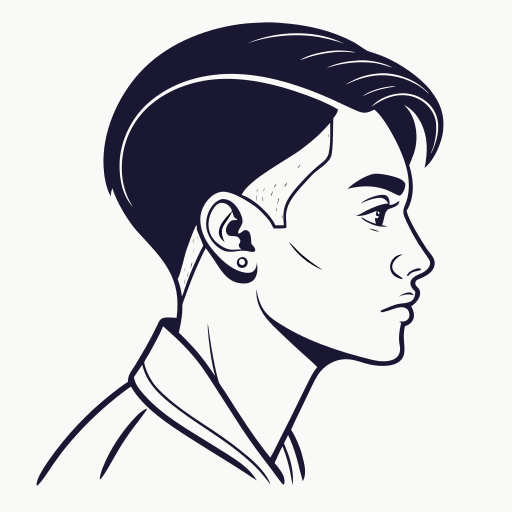
Skin Fade Side Part: Classic Barber Wording and Styling
Plan a skin fade side part that still looks classic. Learn fade height, hard part options, styling, grow-out, and exact barber wording.
Key takeaways
- A skin fade side part works best when the barber balances the clean skin finish with enough top length to comb into place.
- A low skin fade side part is the safest classic version because it keeps more weight above the temple and looks less severe at work or school.
- A hard part skin fade looks sharper, but the shaved line needs regular maintenance and can look awkward while growing out.
- Ask for the part to follow your natural growth pattern unless you intentionally want a more graphic, disconnected look.
- Bring a side-view reference and specify the fade height, shortest finish, top length, and whether the part should be natural or shaved in.
Skin fade side part: the direct answer
A skin fade side part is a classic side-part haircut with the sides faded down to visible skin, usually around the sideburns, ears, and neckline. The cut works when the fade is clean but the top still has enough length and weight to comb across the head without looking thin, flat, or disconnected.
For most people, the safest starting point is a low skin fade side part. It gives the clean skin finish people want from a fade, but it keeps more visual weight around the temples and upper sides. That matters because the side part is a structured style. If the fade climbs too high, the top can look like a separate strip of hair instead of a balanced classic haircut.
The biggest decision is not simply low, mid, or high. It is how the fade height, part line, top length, and styling direction work together. A neat natural part can look conservative and professional. A shaved hard part with a high skin fade can look much bolder. Both are valid, but they solve different style problems.
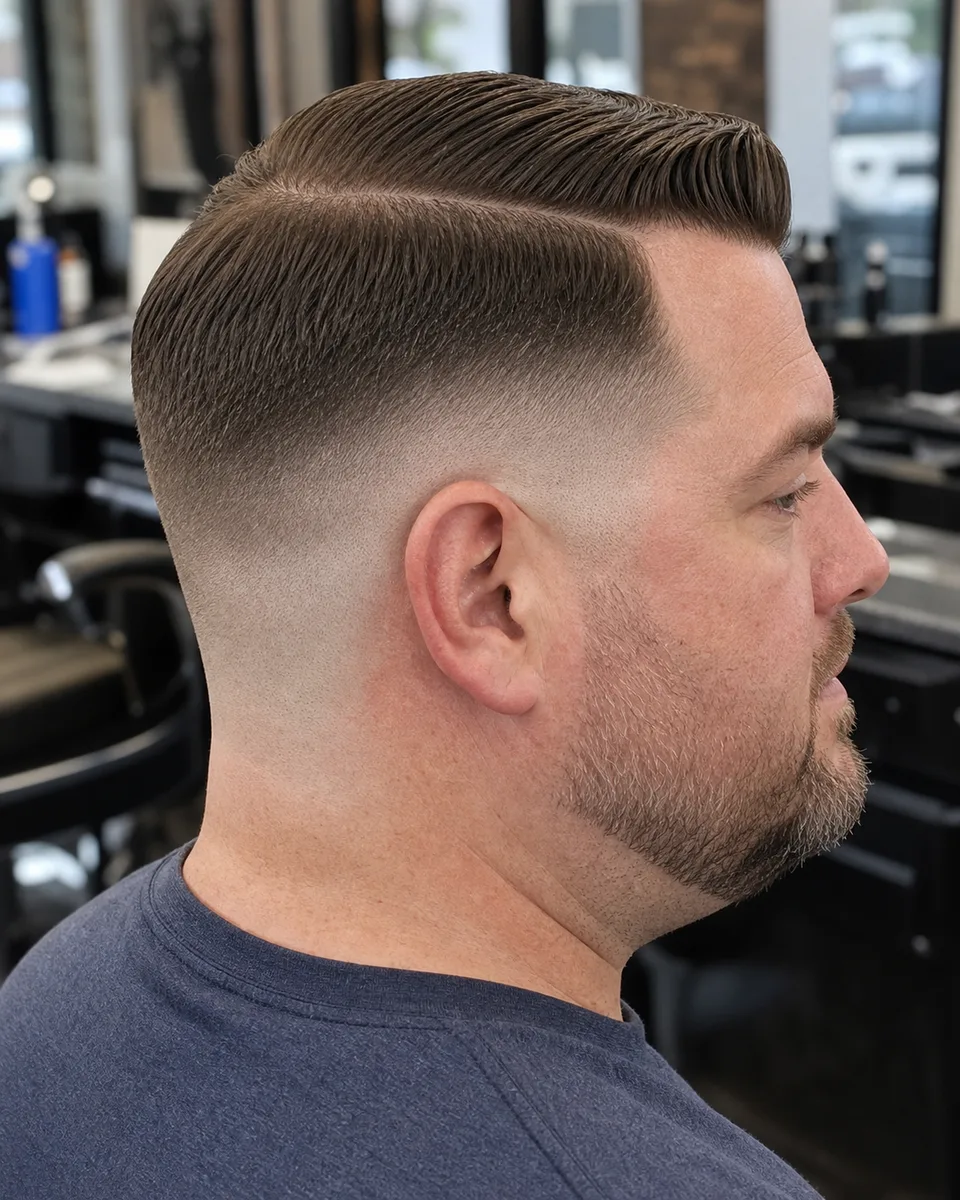
Best fade height for a skin fade side part
Fade height decides whether the haircut reads classic, modern, or aggressive. A side part already creates a formal line through the top. When you add a skin fade, that formal line becomes stronger, so small changes in fade height make a big visual difference.
| Version | Best for | What to ask for |
|---|---|---|
| Low skin fade side part | Classic, office-friendly, first-time skin fades | Low skin fade around the ears and neckline, keep weight above the temples |
| Mid skin fade side part | More contrast while still keeping balance | Mid skin fade, blended into a side part with enough length to comb over |
| High skin fade side part | Sharp, bold, military-inspired or very modern looks | High skin fade with a clear top section, but do not cut into the parting length |
| Drop skin fade side part | Head shapes that need more shape through the back | Low or mid skin fade that drops behind the ear and keeps the crown fuller |
| Hard part skin fade | A graphic, very defined part line | Skin fade with a shaved hard part, but confirm line thickness before cutting |
Choose low if you want the side part to stay timeless. Choose mid if you want the fade to be visible in photos without making the haircut feel extreme. Choose high only if you like strong contrast and are comfortable with more scalp showing on the side of the head.
The back matters too. A side part often looks better when the fade follows the head shape instead of wrapping around in a flat horizontal band. If your crown sticks up, ask the barber to leave enough weight below the crown so the back does not collapse or expose a swirl.
Natural side part or hard part skin fade?
A natural part is created by combing the hair along its growth pattern. It can be clean, but it is not shaved into the scalp. This is usually the better choice if you want a side part skin fade that works for school, office settings, weddings, interviews, or any situation where the haircut needs to look polished instead of flashy.
A hard part is a shaved line that marks the part. It makes the haircut look sharper right away, especially with dark hair or thick hair, but it also creates a maintenance commitment. As the line grows out, short stubble can make the part look fuzzy before the rest of the haircut needs a full recut.
Pick a natural part if you want flexibility
You can comb it cleaner for formal situations, loosen it for texture, or change the styling direction as the fade grows out.
Pick a hard part if you want definition
It gives the barber a clear line and makes the style read sharper, but it needs regular touch-ups to stay intentional.
Avoid a hard part if your part shifts daily
If your hair naturally falls in different directions, a shaved part can fight your growth pattern and make styling harder.
Keep the line conservative for a first cut
A thin, clean line is easier to maintain than a wide carved part that becomes the main feature of the haircut.
If you are unsure, start with a natural part and a low skin fade. You can always make the part sharper next time. It is harder to undo a shaved line or a fade that was taken too high.
Top length and styling for a side part skin fade
The top length decides whether your skin fade side part looks controlled or forced. If the top is too short, it may not lie across the head cleanly. If it is too long and heavy, the side part can collapse, separate, or cover the fade in a way that defeats the purpose of the cut.
| Top choice | How it looks | Styling note |
|---|---|---|
| Short side part | Clean and neat, closer to a business cut | Use a small amount of matte paste or cream for light control |
| Medium side part | Most versatile and classic | Blow-dry across the part, then finish with pomade or clay |
| Longer side part | More flow and movement | Keep the fade lower so the top does not look disconnected |
| Textured side part | Less formal and more modern | Ask for texture on top, but keep the part readable |
| Slick side part | Shinier and more dressed up | Use pomade lightly so the top does not look stiff |
For a classic result, ask for enough length on top to comb over with control. Many side parts need roughly 2 to 4 inches on top depending on hair density, wave, and how much volume you want. Fine hair often needs less product and more careful blow-drying. Thick hair may need internal weight removed so it does not puff out above the fade.
Do not ask the barber to remove all bulk from the upper side unless you want a disconnected look. A little weight above the fade helps the side part transition into the top. This is especially important with straight hair, where every abrupt change in length is easy to see.
How to ask for a skin fade side part
Barber wording should cover four details: fade height, shortest finish, part style, and top length. Saying only skin fade side part leaves too much room for interpretation. One barber may hear a low classic cut. Another may cut a high skin fade with a shaved hard part.
- Step 1: Show a side photoUse a reference that shows the fade height clearly, not just a front-facing photo of the top.
- Step 2: Choose the fade heightSay low, mid, high, or drop before the haircut starts, and explain whether you want classic or bold.
- Step 3: Confirm the shortest pointAsk whether the barber will use a foil shaver, trimmer, or clipper-close finish at the bottom.
- Step 4: Define the partTell the barber whether the part should follow your natural growth or be shaved in as a hard part.
- Step 5: Protect top lengthConfirm how much top length stays before cutting, because the side part needs enough hair to comb across.
If you have a beard, add one more instruction. Say whether the fade should blend into the sideburn and beard or stop cleanly above it. A side part skin fade with a beard can look very polished, but the connection has to be planned instead of guessed.
Grow-out and maintenance for a skin fade with side part
A skin fade with side part grows out in two different ways at the same time. The skin-faded sides lose sharpness first because short stubble appears within a few days. The side part top usually lasts longer because the shape depends more on length, direction, and product than on a skin-close finish.
If you want the fade to stay photo-sharp, book a cleanup every 1 to 2 weeks. If you are comfortable with a softer fade, every 2 to 3 weeks is more realistic. A hard part may need a touch-up sooner than a natural part because the shaved line is most noticeable when it starts growing back.
- Use a blow-dryer for direction before adding product; product alone cannot force the part into shape.
- Use matte paste or clay for a softer side part, and pomade for a shinier classic finish.
- Comb from the part line first, then shape volume at the front so the top does not flatten.
- Avoid heavy product near the scalp if your hair is fine, because it can make the side part separate.
- Ask for a neckline and sideburn cleanup between full cuts if the top still looks good.
The best maintenance plan is honest about your schedule. If you will not visit the barber often, keep the fade low and the part natural. If you like frequent cleanups, a harder part and sharper skin finish can make sense.
Should you get a skin fade side part?
You should get a skin fade side part if you want a haircut that keeps the clean structure of a classic side part while making the sides sharper and lighter. The most wearable version is usually a low skin fade side part with a natural part, enough top length to comb over, and a soft blend above the temples.
If you want a bolder haircut, move toward a mid or high skin fade and consider a thin hard part. If you want a safer first version, keep the fade low, bring a side-view reference, and use clear barber wording before the clippers start. That is how a side part skin fade stays classic instead of turning into the wrong haircut.
Skin fade side part FAQ
Is a skin fade side part professional?
Yes, a skin fade side part can be professional if the fade is low or mid, the top is neatly styled, and the part is not overly carved. A natural part usually looks more workplace-friendly than a wide shaved hard part.
What is the best fade for a side part?
A low skin fade is usually the best first choice for a side part because it keeps the haircut classic and balanced. A mid fade adds more contrast, while a high fade makes the cut much sharper and less conservative.
Should I get a hard part with a skin fade?
Get a hard part if you want a very defined line and are willing to maintain it. Skip it if your hair changes direction easily, your workplace is conservative, or you want the haircut to grow out more naturally.
How long should the top be for a side part skin fade?
Most side part skin fades need enough top length to comb across, often around 2 to 4 inches depending on hair type. Fine hair may need less length, while thick or wavy hair may need shaping to control bulk.
How often should I maintain a skin fade with side part?
For a sharp skin finish, maintain it every 1 to 2 weeks. For a softer, more practical grow-out, every 2 to 3 weeks usually works. Hard parts often need earlier touch-ups than natural parts.