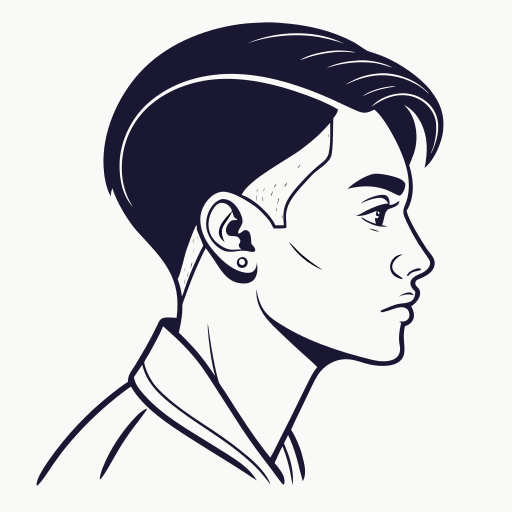
Skin Fade Mullet: Burst, Drop, and Modern Versions
Choose the right skin fade mullet shape, compare burst and drop fades, and use clear barber wording before cutting the back.
Key takeaways
- A skin fade mullet keeps the back longer while fading the sides down to visible skin, so the fade shape must protect the back outline.
- A burst skin fade mullet is usually the safest choice when you want the sides tight but still want the mullet to flow around the ear.
- A drop skin fade mullet looks cleaner and more blended through the back, but it can weaken the mullet if the drop climbs too high.
- Bring side and rear reference photos because a front photo rarely shows the part of the haircut that makes or breaks a mullet.
- Ask your barber to define the fade height, the skin finish, the temple shape, and the exact back length before any bulk comes off.
What is a skin fade mullet?
A skin fade mullet is a mullet haircut with the sides faded down to visible skin while the back stays longer than the front, top, and sides. The key is not just making the sides short. The haircut has to keep enough length behind the ear and at the nape so the back still reads as a mullet.
The single core need behind this search is simple: you want a mullet with a skin fade and need to know which fade shape will work before the barber removes too much side or back length. That decision matters because the fade is permanent for the next few weeks. If it is placed too high, the haircut can turn into a mohawk shape or disconnected undercut instead of a modern mullet.
Think of the cut as three separate decisions. First, decide how long the back should stay. Second, decide whether the side fade should burst around the ear, drop behind the ear, or run high and tight. Third, decide how much texture should stay on top so the haircut looks intentional from the front, side, and back.
Skin fade mullet shapes: burst, drop, low, and high
The best skin fade mullet usually comes down to fade shape, not just fade height. A burst fade curves around the ear and leaves more hair behind it. A drop fade dips lower behind the ear and follows the head shape. A high fade removes more of the side wall and creates a bolder contrast.
| Mullet skin fade | What it looks like | Best for | Watch out for |
|---|---|---|---|
| Burst skin fade mullet | A circular fade around the ear with the back left longer | Modern mullets, curly mullets, mohawk-mullet hybrids | If the burst is too wide, the side can look hollow |
| Drop skin fade mullet | A curved fade that dips behind the ear and blends toward the nape | Cleaner mullets, wavy hair, softer grow-out | If the drop climbs too high, the back loses weight |
| Low skin fade mullet | Skin finish stays low near the sideburn and neckline | First mullet fade, subtle shape, conservative workplaces | May look too soft if the back is very long |
| High skin fade mullet | Sides are taken high to skin with a strong contrast | Edgy short-top mullets and punker shapes | Can become a mohawk if the back panel gets too narrow |
| Modern mullet skin fade | Textured top, controlled back, and a fade shaped to the ear | Most everyday versions | Needs a clear photo because the phrase is broad |
For most people, the burst version is the most forgiving because it follows the natural space around the ear. It makes the side look clean without forcing the barber to cut deep into the rear panel. The drop version is better when you want a tidier back profile and less of a mohawk feel.
A high skin fade mullet can look strong in photos, but it is the riskiest request. The higher the skin section climbs, the narrower the remaining back becomes. If your goal is a wearable modern mullet rather than an extreme stage look, start with a low burst or mid burst shape first.
Who suits a modern mullet skin fade?
A modern mullet skin fade suits people who want a haircut with movement in the back and a clean outline around the ears. It works especially well when the top has texture, wave, curl, or enough length to connect visually to the back. The fade should frame that shape instead of stealing attention from it.
Straight hair
Keep the back textured rather than blunt, and avoid taking the fade too high because straight hair shows hard disconnection quickly.
Wavy hair
A low or mid burst fade usually works well because waves can flow from the top into the longer back without looking too blocky.
Curly hair
Leave extra length above the fade because curl shrinkage can make the top and back look shorter after drying.
Thick hair
Ask for internal texture through the back so the mullet has shape instead of sitting as one heavy shelf.
Fine hair
Keep the back moderate and choose a softer fade height so the contrast does not make the top look thinner.
Face shape also changes the decision. Rounder faces often handle a little more height and texture on top because that adds vertical shape. Longer faces usually look better when the fade is not pushed too high, since a high exposed side can make the face look even longer from the front.
The style is less ideal if you need a very neat corporate haircut every day. A low skin fade mullet can still be wearable, but the longer back is the point of the cut. If you plan to hide the back or trim it short immediately, a textured crop, burst fade, or low drop skin fade may fit the need better.
How to ask for a skin fade mullet
Do not sit down and say only skin fade mullet. That phrase tells the barber the general idea, but it does not say how much back to keep, whether the fade should burst or drop, or how high the skin section should go. Use a short script that locks those decisions before the clippers touch the side.
- Show two anglesBring one side photo for the fade and one rear photo for the back length, because the back is the part most people under-explain.
- Name the fade shapeSay burst if you want the fade to wrap around the ear, or drop if you want a cleaner curve into the back.
- Set the skin heightSay low, mid, or high before the barber starts, and ask them not to raise the fade into the back panel.
- Protect the backPoint to the shortest back length you will accept, especially if you are growing the mullet out.
- Confirm textureAsk for point cutting, layering, or weight removal only where needed so the back moves without becoming thin.
If you want a safer version, change the script to low burst skin fade mullet. If you want a sharper version, ask for a mid burst skin fade mullet with a more defined temple. If you want the most polished version, ask for a drop skin fade mullet with a soft blend into the neckline.
Length, upkeep, and grow-out for a skin fade mullet
A skin fade looks sharpest when the bottom is fresh, but a mullet is usually judged by the shape of the back over several weeks. That means the cut should be planned for both day one and day twenty-one. A good barber will leave enough structure above the fade so the haircut still looks intentional after the skin section grows in.
| Area | Safe starting point | Sharper option | Maintenance note |
|---|---|---|---|
| Top | 2 to 4 inches with texture | Short crop or spiky top | Style it forward or loose so it connects to the back |
| Temple | Low to mid burst fade | Mid to high burst fade | Higher temples need cleaner weekly styling |
| Back | Nape length that shows from the side | Longer layered tail | Trim shape every 3 to 6 weeks while growing |
| Bottom fade | Trimmer and shaver to skin | Razor-close skin finish | Expect stubble within several days |
| Neckline | Natural or softly tapered | Sharper outline | A hard outline can grow out faster visually |
Most people who want the fade crisp should plan a cleanup every 1 to 3 weeks. The back does not need to be cut that often unless it is losing shape. If you are growing the mullet, ask for a fade cleanup while leaving the back alone, then schedule a shape trim only when the rear layers start flipping or bunching.
At home, keep the top and back styled rather than trying to reblend the fade yourself. A small amount of matte paste, cream, or curl product can make the shape look deliberate as the sides soften. The biggest home mistake is shaving higher around the ear and accidentally turning a burst fade into a patchy high fade.
Common skin fade mullet mistakes to avoid
- Asking for a high skin fade when you actually want a softer modern mullet.
- Showing only a front photo, which hides the fade shape and the back length.
- Letting the barber remove too much weight behind the ear before the back shape is agreed.
- Choosing a hard disconnected top when you wanted the hair to flow into the rear length.
- Ignoring hair texture, especially curl shrinkage or straight hair that exposes harsh lines.
- Cleaning the fade at home by raising the skin section instead of waiting for a barber cleanup.
The easiest fix is to slow the consultation down. Before the cut, ask your barber to point out where the fade will start, where it will stop, and what hair will remain behind the ear. If those points are clear, the skin fade mullet has a much better chance of matching the photo in your head.
Skin fade mullet next step
The best skin fade mullet is the version that protects the longer back while making the sides clean enough for your style. For most first cuts, a low or mid burst skin fade mullet is the safest starting point. It gives you the skin-fade contrast, keeps the ear area sharp, and leaves room to make the next cut cleaner, higher, or more dramatic.
Skin fade mullet FAQ
Is a burst fade or drop fade better for a skin fade mullet?
A burst fade is usually better if you want the mullet to flow naturally around the ear and into the back. A drop fade is better if you want a cleaner, more controlled curve. Choose burst for shape and movement, drop for polish.
Can a skin fade mullet look professional?
It can, but keep the fade low or mid, avoid an extreme tail, and style the top neatly. A subtle modern mullet skin fade reads more polished than a high, disconnected version with a very long back.
What should I tell my barber for a modern mullet skin fade?
Ask for a low to mid burst skin fade, a textured top, and enough length behind the ear and at the nape to keep the mullet visible. Show a side and back photo so the barber understands the fade shape and back length.
How often should I clean up a skin fade mullet?
Clean up the skin fade every 1 to 3 weeks if you want the sides sharp. The back can usually be shaped less often, around every 3 to 6 weeks, especially if you are trying to grow the mullet longer.
Will a high skin fade ruin a mullet?
Not always, but it can make the back panel too narrow and push the haircut toward a mohawk shape. If you are unsure, start with a low or mid burst fade so the barber keeps more weight behind the ear.