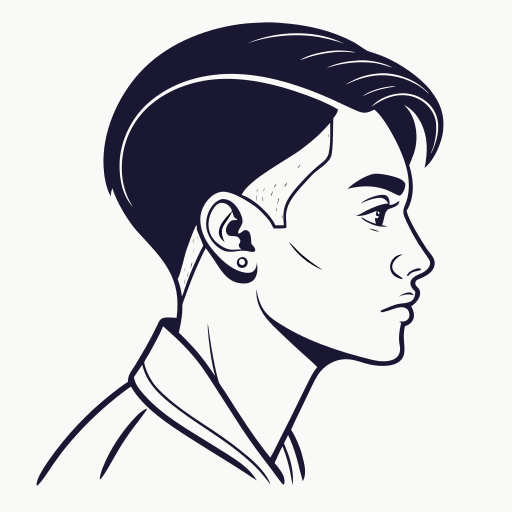
Skin Fade Curly Hair: How to Keep Shape Without Losing Curls
Learn how to get a skin fade curly hair cut that keeps curl volume, avoids a flat top, and gives your barber clear wording.
Key takeaways
- A skin fade curly hair cut works best when the barber keeps enough weight above the fade to support the curl pattern.
- Low and low drop skin fades are usually safer for first-timers because they clean the sides without removing too much side volume.
- Mid skin fades add more contrast, but they need careful blending so curls do not look disconnected from the sides.
- Bring side and back reference photos because the fade height matters more than the front view for curly hair.
- Ask for the top to be shaped curl by curl or lightly trimmed dry if shrinkage makes your curls look much shorter after cutting.
Skin fade curly hair: the direct answer
A skin fade curly hair cut is a haircut where the sides and back blend down to visible skin while the top keeps natural curl, coil, or wave texture. The best version does not simply shave the sides high and leave curls sitting like a separate cap. It uses the fade height, blend weight, and top shape together so the curls still look intentional from the front, side, and back.
For most curly hair, the safest starting point is a low skin fade or low drop skin fade, especially if you have medium curls, loose coils, or a longer curly top. A low fade removes bulk around the ear and neckline but leaves enough side weight to support the transition into the curls. A mid fade can look sharper, but it needs a cleaner blend because the skin section climbs closer to the widest part of the head.
The big decision is not only low versus mid. It is how much hair remains above the fade. Curly hair shrinks, expands, and changes shape after washing, drying, and styling. If the barber cuts too much support from the sides or trims the top while it is stretched, the finished haircut can look shorter and rounder than expected once the curls dry.
Best skin fade height for curly hair
The best fade height depends on how much contrast you want and how your curls sit above the sides. A low skin fade is subtle and controlled. A low drop skin fade adds shape through the back while keeping the fade low. A mid skin fade creates a stronger side profile. A high skin fade is bold, but it can make curly hair look top-heavy if the barber removes too much of the side structure.
| Fade choice | Best for | What to watch |
|---|---|---|
| Low skin fade curly hair | First skin fade, office-friendly cuts, loose curls, longer tops | May feel too subtle if you want strong contrast |
| Low drop skin fade curly hair | Curls that need back shape, rounded heads, beard blends, natural grow-out | The drop must be deliberate, not just a heavy back |
| Mid skin fade curly hair | Defined curls, shorter curly tops, sharper side profile | Can disconnect if the blend jumps from skin to dense curls |
| High skin fade curly hair | Very short curls, high-contrast looks, athletic cuts | Can make the top look narrow or mushroom-shaped |
| Temple or taper skin fade | Keeping more side curl while cleaning edges | Does not give the same full skin fade effect |
If you are unsure, start lower than your most dramatic reference photo. You can raise a fade at the next appointment, but you cannot put side weight back after it has been cut away. This matters more with curly hair because the curl pattern needs surrounding shape. A little extra weight above the temple can make the whole haircut look fuller and more balanced.
Use the front view to judge the top shape, but use the side and back views to judge the fade. Many curly skin fade photos look similar from the front because the curls dominate the image. The side view shows whether the blend is low, mid, high, drop, or disconnected.
How to keep curl shape with a skin fade
Keeping curl shape is about preserving the right weight, not keeping every inch of length. Curly hair can look bulky when it has no structure, but it can also collapse when the sides are cut too high. The goal is to remove the messy bulk around the lower sides while leaving enough transition hair to frame the curls.
Keep a soft shelf above the fade
Ask the barber to avoid carving a hard ledge where the curls meet the fade. A soft shelf gives curls somewhere to sit.
Shape the top after checking shrinkage
Curly hair can appear longer wet and shorter dry, so the final top length should account for how much your hair springs up.
Leave corners if your face is round
Leaving a little structure near the upper corners can stop the style from becoming too round from the front.
Use a drop shape for heavy backs
A low drop skin fade can clean the neck and ear area without pushing the fade too high behind the head.
Curly hair also needs gentler styling after the cut. Heavy brushing, rough towel drying, and too much direct heat can separate curls and create frizz. A fade makes the sides cleaner, but the top still needs moisture, definition, and low-friction drying. If your curls are tight, dry, or color-treated, keep the top trim conservative and solve shape gradually over 2 or 3 haircuts.
- Use curl cream, leave-in conditioner, mousse, or gel based on your curl type rather than copying someone with different texture.
- Apply styling product while the curls are damp so the curl groups set before they dry.
- Scrunch with a microfiber towel or cotton T-shirt instead of rubbing the top aggressively.
- Use a diffuser on low or medium heat if you need faster drying, and stop before the curls are completely dehydrated.
- Refresh the sides every 1 to 3 weeks depending on how crisp you want the skin finish.
Barber script for a curly hair skin fade
The most useful barber request names the finish, the height, the shape, and the top plan. Do not only say curly hair skin fade. That tells the barber the general style, but it does not say whether you want low, mid, drop, burst, taper, or high contrast.
- Choose the fade heightSay low skin fade, low drop skin fade, or mid skin fade before the haircut starts.
- Confirm the skin finishSay whether the bottom should be shaved to skin, trimmer-close, or left as a soft zero.
- Protect the curl supportAsk the barber to keep enough weight above the fade so the curls do not look disconnected.
- Explain the topSay whether to keep the top length, lightly shape it, remove bulk, or trim curl by curl.
- Show side and back photosUse references that show the fade height and the back shape, not only a front selfie.
If you want a stronger version, change the first line to mid skin fade and ask for more contrast around the side. If you want a safer version, say low drop skin fade and ask the barber to keep the fade curved behind the ear. If you wear a beard, add that the sideburn should blend into the beard instead of being cut off abruptly.
Common mistakes with skin fade curly hair
The most common mistake is choosing a fade from a photo with a different curl type. Loose waves, springy curls, tight coils, and Afro-textured hair all sit differently above a fade. A photo can still help, but the reference should match your density, hairline, curl size, and top length as closely as possible.
| Mistake | What happens | Better move |
|---|---|---|
| Fade cut too high | The top looks narrow, flat, or disconnected | Start with low or low drop |
| Top cut wet without shrinkage check | Curls dry shorter than expected | Confirm dry length or trim conservatively |
| No side/back reference | Barber guesses the fade height | Bring at least 2 angles |
| Too much bulk left at the crown | Back looks heavy and unfinished | Ask for controlled shape, not just length removal |
| Wrong product for curl type | Curls look greasy, crunchy, or undefined | Match product weight to curl density |
Another mistake is assuming a skin fade will make curly hair low maintenance. The sides may look cleaner, but the contrast also makes grow-out more visible. If the bottom is shaved to skin, you may notice stubble after a few days. If you want the cut photo-ready all the time, plan a cleanup every 7 to 14 days. If you are comfortable with a softer grow-out, 2 to 3 weeks is more realistic.
The final mistake is over-fixing the haircut at home. Cleaning a neckline is one thing. Raising the fade line or trying to remove a dark spot near the temple is different. Curly hair hides some mistakes on top, but a patchy skin fade on the side is visible fast. If the blend looks uneven, book a correction instead of chasing the line higher.
Should you get a skin fade with curly hair?
You should get a skin fade with curly hair if you want cleaner sides, a sharper neckline, and a more intentional shape while keeping the top natural. The best first version is usually low or low drop because it gives you the skin fade effect without removing too much curl support. Move to a mid skin fade once you know you like the contrast.
The main rule is simple: plan the haircut around the curls first and the fade second. Pick the height, protect the transition weight, show side and back references, and tell your barber exactly how much top length to keep. That is how a skin fade curly hair cut looks clean without making the curls look flat, separated, or accidentally too short.
Skin fade curly hair FAQ
Is a skin fade good for curly hair?
Yes, a skin fade can be good for curly hair when the fade is not taken too high and enough weight is left above the sides. Low and low drop skin fades are often the safest first choices because they clean the edges while keeping curl shape.
What is the best skin fade for curly hair?
A low skin fade or low drop skin fade is usually best for curly hair if you want a balanced first cut. A mid skin fade works when you want more contrast, but it needs a careful blend so the curls do not look disconnected.
Should curly hair be cut wet or dry for a skin fade?
The fade itself is usually cut on dry or lightly damp hair, but the curly top should be shaped with shrinkage in mind. Many curly clients benefit from conservative top trimming or dry refinement because curls can look much shorter after they dry.
How often should I maintain a curly hair skin fade?
For a sharp skin finish, plan a cleanup every 1 to 2 weeks. For a softer grow-out, every 2 to 3 weeks can work. Curly tops may need less frequent cutting than the faded sides, so ask for side cleanups between full haircuts.
Can I get a skin fade with tight curls or coils?
Yes, but the barber should understand your texture, hairline, and shrinkage. Tight curls and coils often need enough weight above the fade to keep shape. Bring references with similar texture instead of using only loose-curl haircut photos.