Low Fade Haircut: Best Styles for Men
See the best low fade haircut styles for men, how to ask your barber, and when to choose a low fade, low taper, or low skin fade.
Key takeaways
- A low fade starts close to the ear and keeps the blend lower on the head, so it looks clean without feeling too exposed.
- It is one of the safest fade choices for work, school, straight hair, waves, curls, crops, and short beard blends.
- The best barber wording is to ask for a low fade on the sides, then define whether the bottom should be soft, zero, or skin.
- Use AI preview photos before the appointment to compare a low fade with a low taper, mid fade, or low skin fade on your own face.
What is a low fade?
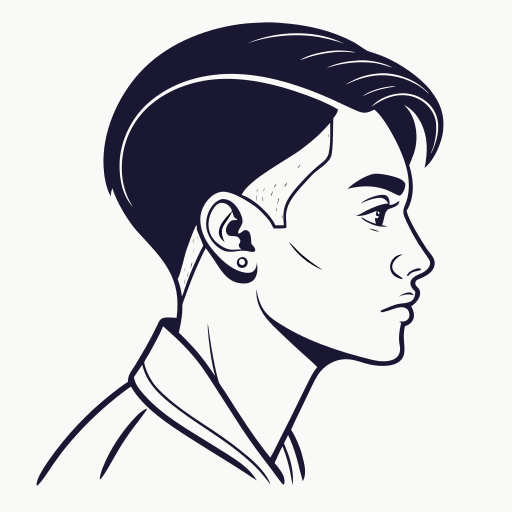
A low fade is a haircut where the hair gradually blends shorter near the lower sides of the head, usually starting around the ear or just above it. It gives a cleaner side profile than a taper but keeps the fade lower and softer than a mid fade or high fade.
Low fade vs low taper vs low skin fade
Low fade, low taper, and low skin fade are close enough that people often mix them up. The real difference is how much area is blended and how close the bottom goes. A low taper keeps cleanup around the edges, a low fade blends more of the side, and a low skin fade removes hair down to the skin at the bottom.
| Decision point | Low fade haircut | Low taper fade | Low skin fade |
|---|---|---|---|
| Fade area | Lower side panel above the ear | Sideburns and neckline | Lower side panel down to skin |
| Contrast | Clean but wearable | Subtle and natural | Sharpest low option |
| Best for | Most everyday haircuts | Professional or softer looks | High contrast with a low shape |
| Barber wording | Low fade the sides | Low taper the sideburns and nape | Low skin fade, take the bottom to skin |
| Grow-out | Balanced | Softest | Shows regrowth fastest |
Best low fade haircut styles
The low fade works because it can support short, medium, textured, and curly tops without forcing a dramatic look. These are the easiest low fade haircut ideas to show your barber.
Low fade with straight hair
Best for textured crops, side parts, Ivy League cuts, and brushed-up tops. Ask for texture on top so the fade does not make the haircut look too flat.
Low fade with curly hair
Good for removing bulk near the ears while keeping curl volume. Ask for scissor shaping on top and a low blend around the side.
Low fade with waves
Works well with 180 or 360 waves because it cleans the outline without cutting too high into the wave pattern.
Buzz cut low fade
A clean, low-maintenance option. Ask your barber to keep the top length even and make the fade soft if you do not want a sharp skin contrast.
Low fade with beard
Useful when you want the haircut to connect naturally into facial hair. Ask for a sideburn-to-beard blend instead of a hard disconnect.
How to ask your barber for a low fade haircut
The safest way to ask for a low fade haircut is to describe the fade height, bottom finish, top length, and neckline. Do not only say low fade because one barber may keep it soft while another may take it close to skin.
- Start with the heightSay: I want a low fade that starts around the ear, not a mid fade or high fade.
- Pick the bottom finishSay whether you want the bottom soft, zero, or skin. This controls how much scalp shows.
- Name the top styleTell your barber if the top is a crop, buzz cut, curls, waves, side part, fringe, or brushed back style.
- Confirm the necklineAsk for a natural neckline if you want softer grow-out, or a sharper neckline if you want a cleaner finish.
Who should choose a low fade?
A low fade suits men who want a clean haircut without making the side profile too aggressive. It works especially well when the top needs to stay balanced with the face shape.
- Choose it for round faces when you want cleaner edges without removing too much side structure.
- Choose it for straight hair when you want a tidy side profile with a crop, side part, or fringe.
- Choose it for curls when the sides feel bulky but the top should stay full.
- Choose it for waves when you want a clean outline without cutting too high.
- Avoid it if you want maximum contrast. A mid fade, high fade, or high skin fade will look bolder.
Low fade maintenance
Most low fade haircuts look clean for about two to three weeks. A soft low fade grows out more naturally, while a low skin fade shows side growth sooner. If you want the fade to stay crisp, book a cleanup every 14 to 21 days.
- Use matte paste or clay for straight textured tops.
- Use curl cream if the top is curly or wavy.
- Brush waves daily if the low fade is paired with a wave pattern.
- Ask for a neckline cleanup between full haircuts if the top still holds shape.
Low fade mistakes to avoid
- Not saying whether the bottom should be soft, zero, or skin.
- Showing a high fade reference when you actually want a low fade.
- Letting the fade climb above the temple and turn into a mid fade.
- Forgetting to explain the neckline shape.
- Cutting the top too short before checking how the fade changes your face shape.
FAQ
What is a low fade haircut?
A low fade haircut blends the hair shorter near the lower sides of the head, usually around the ear. It creates a clean side profile while keeping the fade lower and softer than a mid fade or high fade.
Is a low fade the same as a low taper?
No. A low taper usually cleans the sideburns and neckline. A low fade blends a larger section of the lower side, so it often looks cleaner and more visible than a taper.
How long does a low fade last?
A low fade usually looks fresh for two to three weeks. Skin finishes show regrowth faster, while softer low fades can grow out more naturally between full haircuts.
Does a low fade work with curly hair?
Yes. A low fade works well with curly hair because it removes bulk around the ears while keeping volume on top. Ask for curl shaping with scissors before tightening the fade.