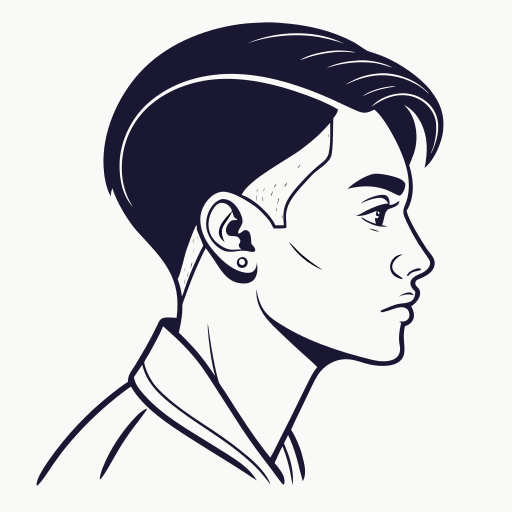
How to Skin Fade With a Hard Part
How to Skin Fade With a Hard Part explained clearly. A hard part with a skin fade uses a shaved line along the parting area. It looks sharp but needs regular...
Key takeaways
- A hard part with a skin fade uses a shaved line along the parting area. It looks sharp but needs regular maintenance and should line up with your natural part.
- The clearest barber request includes fade height, skin finish, top length, neckline, and beard or sideburn plan.
- A side-profile reference is more useful than a front-facing photo for judging skin fade height.
- If you are unsure, start lower and softer because the barber can always go shorter next time.
How to Skin Fade With a Hard Part: start here
A hard part with a skin fade uses a shaved line along the parting area. It looks sharp but needs regular maintenance and should line up with your natural part.
A tutorial article should be honest: a skin fade is a precision haircut. You can learn the order, but you need patience because the hardest part is not cutting the hair short; it is making the short sections disappear into each other.
How to Skin Fade With a Hard Part: the zones that matter
A skin fade is built in zones: the skin-close bottom, the first blend, the middle transition, and the connection into the top. Each zone should be soft before you move higher.
| Zone | What happens there | Why it matters |
|---|---|---|
| First guideline | Set it lower than the final fade height | Starting too high removes your room to blend |
| Bottom finish | Clear below the line with trimmer or shaver | Taking the shaver above the line creates patches |
| Middle blend | Use lever, half guard, and 1 guard gradually | Skipping steps leaves a hard shadow |
| Top connection | Blend into the top without removing too much weight | Over-blending can flatten the haircut |
Cutting order for how to skin fade with a hard part
- Set the skin guidelinePlace it lower than the final fade height so there is room to blend.
- Clear the bottomUse a trimmer, shaver, or razor below the line without climbing too high.
- Blend in small stepsUse lever adjustments and guards gradually instead of jumping from skin to long hair.
- Detail lastCheck both sides and the back before removing small dark spots.
The safest rule is to pause before you move the fade higher. If the line is not coming out, changing guards and pressure is safer than cutting more hair above the problem.
Adding the hard part
Place the part on the natural split
A hard part looks better when it follows where the hair already wants to separate.
Cut the line after the fade shape is planned
The shaved line should support the finished haircut, not force the fade into the wrong height.
Keep the line narrow
A wide hard part grows out faster and can look patchy.
Plan maintenance
A hard part usually needs more frequent cleanups than a natural part.
How how to skin fade with a hard part should look when finished
A finished skin fade should look clean from the side and balanced from the back. The top should still have the shape you wanted, the skin section should not climb unexpectedly, and the neckline should look deliberate.