How to Fix a Bad Skin Fade
How to Fix a Bad Skin Fade explained clearly. To fix a bad skin fade, avoid cutting the fade higher right away. First identify the problem: harsh line,...
Key takeaways
- To fix a bad skin fade, avoid cutting the fade higher right away. First identify the problem: harsh line, uneven height, patchy blend, bad neckline, or beard mismatch. A barber can usually soften the blend, but a fade cut too high may need grow-out time.
- The clearest barber request includes fade height, skin finish, top length, neckline, and beard or sideburn plan.
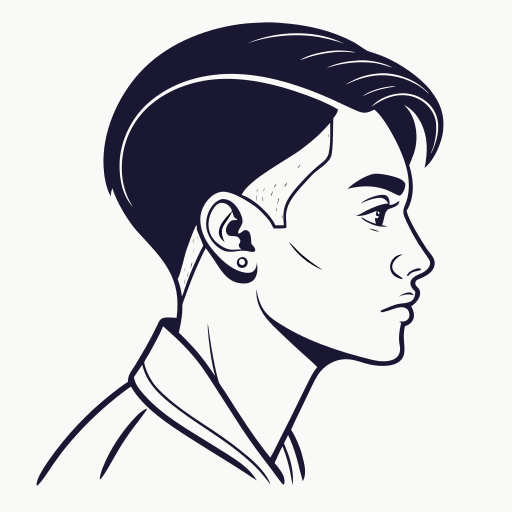
- A side-profile reference is more useful than a front-facing photo for judging skin fade height.
- If you are unsure, start lower and softer because the barber can always go shorter next time.
How to Fix a Bad Skin Fade: start here
To fix a bad skin fade, avoid cutting the fade higher right away. First identify the problem: harsh line, uneven height, patchy blend, bad neckline, or beard mismatch. A barber can usually soften the blend, but a fade cut too high may need grow-out time.
A bad skin fade is frustrating because the problem is visible from the side immediately. The right fix depends on whether the haircut is uneven, too high, too harsh, or simply not suited to the hair texture.
How to Fix a Bad Skin Fade: do not chase the problem upward
The most common failed repair is cutting higher and higher to remove one dark line. That can turn a low fade into a high fade before the blend actually improves. A barber can often soften a line, but they cannot instantly make already-short hair long again.
| Problem | Can it improve today? | Reality |
|---|---|---|
| Harsh line | Usually yes | It can be softened with careful blending |
| Uneven sides | Often yes | One side may need to be matched slightly shorter |
| Fade too high | Only partly | It needs grow-out before it can become lower |
| Patchy scalp contrast | Sometimes | Hair density and growth direction may limit the result |
When how to fix a bad skin fade can be fixed now
Fix it now if the issue is a visible line, messy neckline, uneven sideburn, or beard connection. Wait if the fade is simply too high or if too much hair was removed near the temple. In that case, a softer style on top can make the grow-out less obvious.
For the next appointment, bring a photo of the height you wanted and explain that the previous fade went too high. That gives the barber a boundary to respect.
How to Fix a Bad Skin Fade: what the searcher really needs
To fix a bad skin fade, avoid cutting the fade higher right away. First identify the problem: harsh line, uneven height, patchy blend, bad neckline, or beard mismatch. A barber can usually soften the blend, but a fade cut too high may need grow-out time. That answer is the starting point, but it is not enough by itself. People searching for how to fix a bad skin fade usually want to avoid a bad haircut decision, understand the exact barber wording, and picture how the result will look after the first week of growth.
The useful way to read this topic is to separate the label from the result. The label tells you what people call the haircut. The result depends on fade height, lowest cutting tool, hair density, top length, sideburn shape, neckline, beard connection, and how often you are willing to maintain the cut. A good article should help you choose among those details, not just repeat a one-line definition.
Related searches such as how to fix a skin fade point to the same problem: users are comparing meanings, examples, timing, cost, suitability, or cutting steps before they commit. The best answer is therefore practical and visual. It should explain what changes on the head, what to say to a barber, and what tradeoff you are accepting.
A practical decision framework
Before choosing this version of a skin fade, think through the haircut in four layers. First is the bottom finish: clipper-close, trimmer-close, shaver-close, or razor-close. Second is the fade height: low, mid, high, drop, burst, or taper. Third is the top style: crop, curls, buzz cut, fringe, side part, slick back, pompadour, mohawk, or longer textured hair. Fourth is the maintenance plan: how long you want the cut to look fresh before it grows into a softer shape.
| Decision | Safer version | Bolder version | How to use it |
|---|---|---|---|
| First version | Low or mid skin fade | High skin fade | How to Fix a Bad Skin Fade |
| Top style | Natural texture or short crop | Slick back, hard part, mohawk, or buzz cut | Match the top to your normal routine |
| Maintenance | Every 2 to 3 weeks | Every 1 to 2 weeks | Sharper fades need more visits |
| Work or school | Soft taper or low fade | High contrast fade | Rules and social setting matter |
| Reference photo | Several similar hair types | One dramatic model photo | Multiple examples reduce surprises |
This framework matters because two haircuts can share the same keyword and still look completely different. A low skin fade with a soft crop can look calm and professional. A high skin fade with a buzz cut can look athletic and severe. A burst skin fade with curls or a mohawk changes the outline around the ear. The search term gets you into the right category; the details decide whether the final haircut works.
Fit by hair type, face shape, and lifestyle
A skin fade is not judged only by how clean the blend is on day one. It also has to fit the person's hair texture and daily routine. Straight hair shows clipper lines clearly, so the blend has to be precise. Wavy hair usually needs enough top length to keep movement. Curly and coily hair often look best when the top keeps shape and the fade removes bulk around the ears without flattening the curl pattern.
Straight hair
A precise blend shows clearly, so the barber's line removal matters more than heavy styling.
Wavy hair
A textured top usually looks better than forcing every strand into a flat shape.
Curly hair
A low or drop fade can frame the curls while keeping enough top volume.
Beards and sideburns
Ask whether the fade should connect into facial hair or stay disconnected on purpose.
Face shape changes the choice as well. A high fade can make the sides look narrower, which may suit a rounder face but can make a long face look even longer. A low fade keeps more side weight and usually feels safer for first-timers. A mid fade sits between the two and is often the most balanced choice when you want visible contrast without making the haircut feel extreme.
Lifestyle is the quiet detail people forget. If your school, workplace, or family setting is conservative, a low skin fade or skin taper is easier to defend than a high skin fade with shaved designs. If you need a haircut for photos, sports, events, or social content, a sharper mid or high fade can make sense. If you dislike frequent appointments, choose the softer version now instead of trying to stretch a very sharp fade for a month.
What to compare in reference photos
Reference photos are useful only when you compare the right parts. A front-facing photo often shows the top style but hides the fade height. A side photo shows where the fade starts and whether it is low, mid, high, burst, or drop. A back photo shows whether the neckline is natural, squared, rounded, or faded into the skin. For skin fade content, a four-panel or six-panel image with different people is usually more helpful than one perfect model.
| What to compare | Why it matters | What to ask yourself |
|---|---|---|
| Fade height | Controls how much scalp shows on the side | Does this look low, mid, high, drop, or burst? |
| Top length | Changes the whole personality of the cut | Is the top short, textured, curly, slicked, or long? |
| Hair texture | Affects whether the example can transfer to your hair | Is the model's hair straight, wavy, curly, coarse, or fine? |
| Beard or sideburns | Can make the haircut look connected or unfinished | Does the fade blend into facial hair? |
| Grow-out tolerance | Decides how soon the cut needs cleanup | Will this still look good after 10 to 14 days? |
When the example does not match your hair density or face shape, use it as direction rather than a demand. Tell the barber what you like about the photo: the low height, the clean neckline, the texture on top, the burst around the ear, or the beard blend. That gives the barber room to adapt the idea instead of copying a haircut that was built for someone else.
Barber wording and maintenance plan
The safest barber wording is specific but not controlling. Say the fade height, the shortest finish, the top direction, and any beard or neckline detail. Avoid saying only the keyword and expecting the barber to infer everything. Skin fade, zero fade, bald fade, taper fade, and regular fade can be used differently by different shops, so the finish needs to be described in plain language.
After the haircut, expect the shortest area to change first. Skin-close sections can show stubble within a few days, look softer after about 7 days, and feel much less sharp after 2 to 3 weeks. That does not mean the haircut is bad; it means the contrast is fading. If sharpness matters, schedule a cleanup every 1 to 2 weeks. If you prefer lower maintenance, ask for a low fade, skin taper, or softer regular fade.
At home, the best maintenance is simple: wash out heavy product, brush or style the top in its intended direction, keep the neckline clean only if you can do it safely, and avoid chasing the blend higher with clippers. Most bad home fixes happen because someone tries to remove a visible line and accidentally raises the entire fade.
Final checklist before you decide
- Can you describe the fade height as low, mid, high, drop, burst, or taper?
- Do you know whether the shortest point should be clipper-close, trimmer-close, shaver-close, or razor-close?
- Have you chosen a top style instead of only choosing the fade?
- Does your reference photo match your hair texture and density?
- Will the haircut still fit your work, school, or daily setting after the first week?
- Are you comfortable maintaining the look every 1 to 3 weeks?
If most of these answers are clear, you are ready to ask for the cut or try the tutorial. If several answers are still vague, start with the safer version: lower fade height, softer bottom finish, and more length left on top. You can always make a future haircut shorter, higher, or sharper, but you cannot make a too-high skin fade lower on the same day.